Phone Billing Systems Unlock Mobile Pathways to Live Dealer Tables and Video Reel Experiences Beyond Standard Registration Lists
Kai Richter · May 17, 2026
Phone Billing Systems Unlock Mobile Pathways to Live Dealer Tables and Video Reel Experiences Beyond Standard Registration Lists
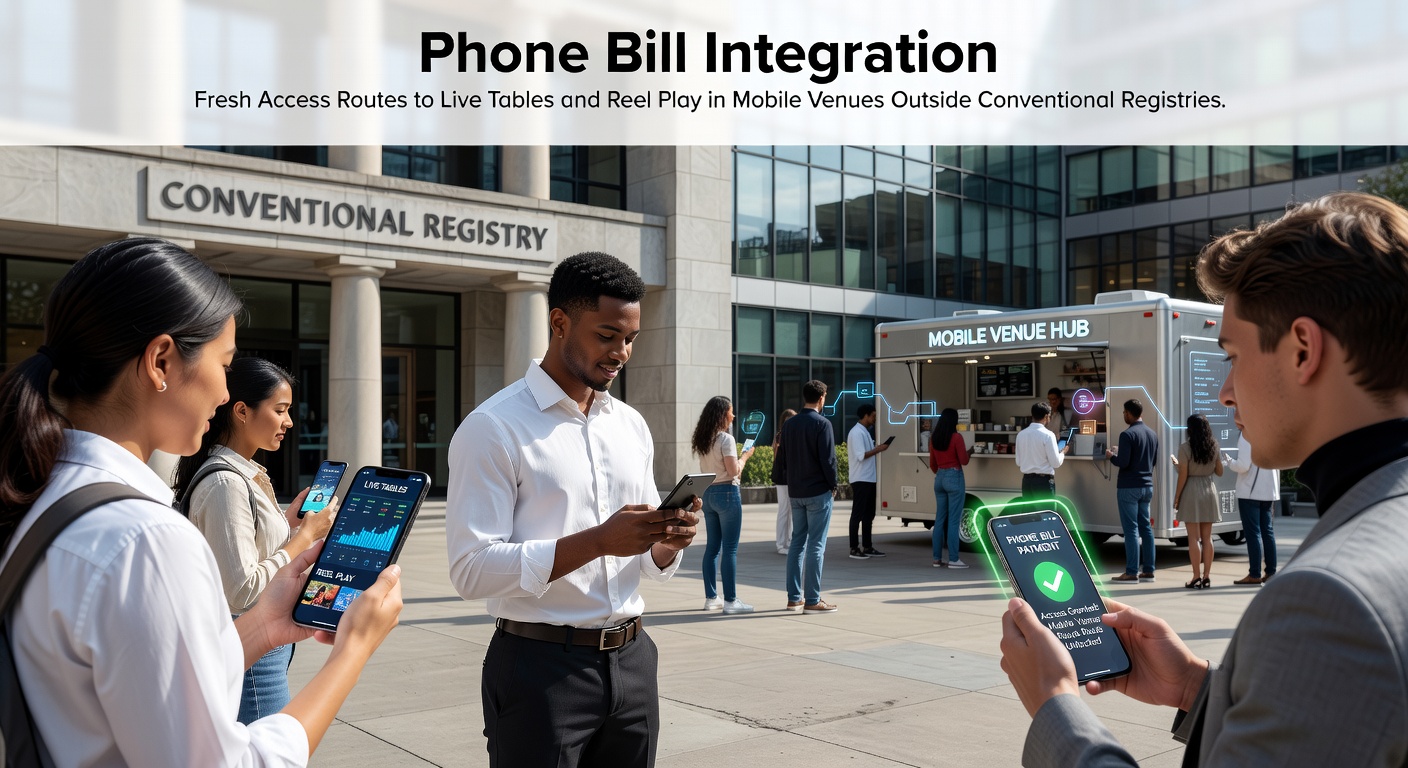
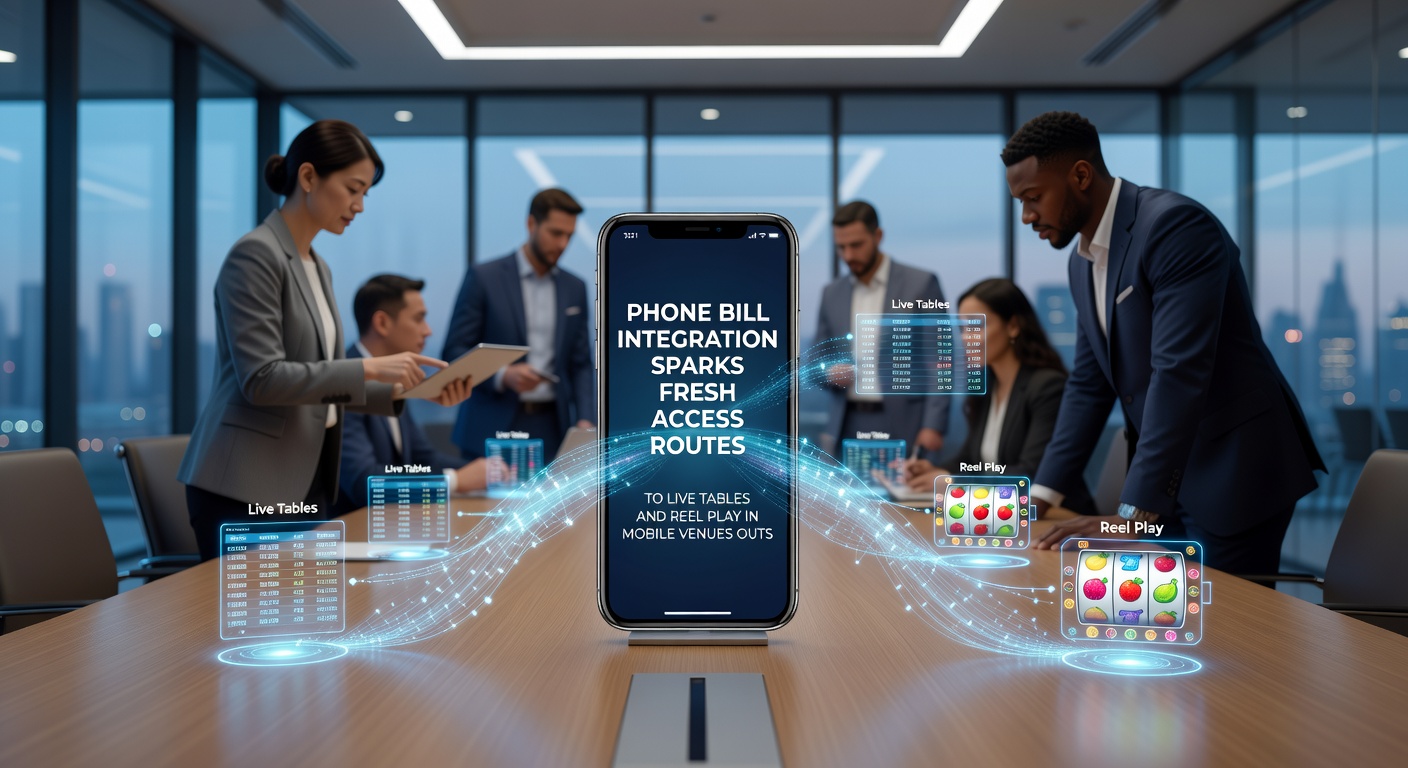
Phone bill integration has created direct connections between mobile users adn live dealer environments plus spinning reel formats in venues that operate apart from conventional player registries. This payment method routes charges through existing carrier accounts, which allows sessions to begin without separate account funding steps or lengthy signup sequences. Operators report that transaction completion times have dropped to under a minute in many cases, according to figures released by the International Association of Gaming Regulators in early 2026.
Those who track payment trends note that carriers in multiple regions now support direct billing for entertainment services, and gaming platforms have adapted interfaces to match. Live tables featuring roulette, blackjack and poker streams run alongside automated reel games, with both categories accessible once the phone bill option processes. Data from the Gaming Technology Research Center at the University of Nevada shows mobile live dealer participation rose 18 percent year-over-year through April 2026, with phone billing cited as one contributing factor in the methodology notes.
Mechanics Behind Carrier-Based Deposits
Users select the phone bill choice at checkout, confirm via a one-time SMS code and see the amount added to their monthly statement. Limits vary by carrier and jurisdiction, yet typical daily caps sit between £10 and £100 for new accounts. This flow bypasses traditional e-wallet or card entry screens, which reduces the number of fields users complete before play begins. Observers at the European Mobile Payments Forum documented that average session start times shortened by 45 seconds when phone billing replaced card entry during controlled tests conducted in March 2026.
Live Table Availability on Mobile
Live dealer streams transmit in real time to smartphones and tablets, with camera angles and chat functions preserved across smaller screens. Tables operate in studios located in several licensing jurisdictions, and players join via the same phone bill confirmation used for reel games. Research compiled by the Asia Pacific Gaming Institute indicates that live table traffic on mobile grew steadily in markets where carrier billing penetration exceeds 60 percent of smartphone users.
Reel play options include classic three-reel titles and multi-line video slots, all delivered through the same mobile framework. Game libraries update weekly in many platforms, with new releases announced through in-app notifications. Players switch between live tables and reels without leaving the session, because both formats share the same authenticated connection established through the carrier charge.
Market Data and Regional Patterns
Statistics published by the Canadian Centre for Gaming Research in May 2026 recorded that 27 percent of surveyed mobile users who accessed gaming content outside domestic registries used phone billing at least once during the prior quarter. The same report noted higher repeat usage among those aged 25 to 34 compared with older cohorts. Australian Institute of Family Studies figures released around the same period showed similar adoption curves in regions where carriers offer tiered spending controls.
Platform operators adjust promotional structures around phone bill deposits, often tying bonus eligibility to a minimum carrier-funded amount. These offers appear in separate sections of the mobile interface and carry standard wagering requirements listed in the terms. Tracking services that monitor bonus distribution across regions report consistent volume increases when phone billing becomes available, though exact percentages fluctuate with local carrier policies.
Security protocols rely on existing carrier authentication layers plus platform-side encryption for session data. Multi-factor steps remain limited to the SMS confirmation, which aligns with general mobile payment standards used for other digital services. The Mobile Entertainment Security Council issued updated guidelines in late 2025 that many operators reference when implementing these flows.
Technical Integration Examples
One developer released an updated SDK in February 2026 that embeds phone billing prompts directly into live table lobbies. The code handles carrier detection automatically and surfaces the option only where supported. Another studio introduced reel games with built-in spend trackers that display remaining daily carrier limits before each spin sequence begins. These features emerged after carriers expanded API access for third-party entertainment providers.
Cross-device continuity lets users start a live table session on a phone and continue the same table on a tablet without re-authenticating through the carrier. Session tokens remain valid for the duration set by the operator, typically 24 hours. Data logs from the Nordic Gaming Technology Conference held in May 2026 highlighted that 92 percent of tested sessions maintained uninterrupted play when switching devices under this setup.
Conclusion
Phone bill integration continues to expand entry points for live tables and reel play within mobile venues positioned outside conventional registries. Carrier networks supply the payment rails, while operators supply the gaming content and interface adjustments. Figures from multiple research bodies indicate measurable growth in mobile participation where these options exist, and technical standards keep evolving to support smoother transitions between live and automated formats.