From Text to Table: Carrier Payments Fueling Anonymous Blackjack Sessions at Independent UK Platforms
Yves Lehmann · Jun 3, 2026
From Text to Table: Carrier Payments Fueling Anonymous Blackjack Sessions at Independent UK Platforms
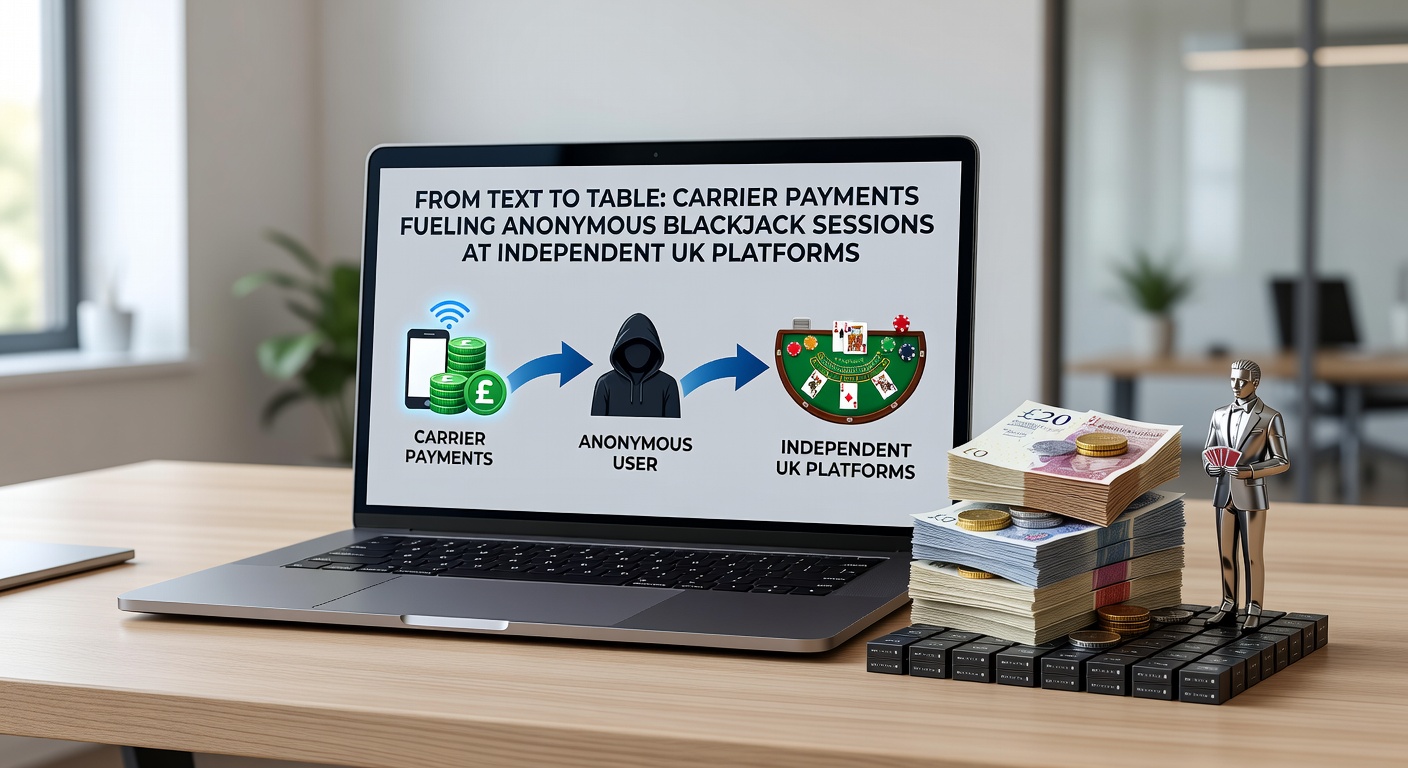
Carrier billing systems have expanded their reach into independent UK gaming platforms where players access blackjack tables through simple text-based deposits that route charges directly to mobile accounts without traditional account verification steps. These methods connect phone networks to live dealer environments allowing sessions to begin after a short SMS exchange that confirms the transaction amount and table selection. Observers note that this approach reduces entry barriers for those seeking quick participation in card games hosted on platforms operating outside standard exclusion lists.
Mechanics of Carrier Payments in Blackjack Environments
Players initiate deposits by sending a designated code via text message which triggers an automated response confirming the charge amount added to their next phone bill. Independent platforms integrate these gateways so funds appear instantly in the gaming balance ready for bets at blackjack tables featuring real-time dealer interactions. Research from the Australian Communications and Media Authority indicates carrier billing volumes in digital entertainment sectors grew by 18 percent between 2024 and 2025 with gaming applications representing a notable share of that increase. The process bypasses card details or bank transfers while maintaining session continuity for repeated hands without additional logins.
Blackjack variants on these sites often include European and American rule sets alongside side bet options that players fund through the same SMS pathway. Data from industry reports show average deposit sizes range from £10 to £50 per transaction with multiple messages permitted within daily network limits set by mobile providers. This setup supports extended play periods at live tables where dealers manage card distribution through video streams hosted on offshore servers linked to UK player traffic.
Growth Patterns Observed in June 2026
Figures compiled in June 2026 revealed that independent platforms accepting carrier payments recorded a 22 percent rise in new blackjack registrations compared to the same month in the prior year. These platforms operate through networks that route traffic via Curaçao or Malta licensing frameworks allowing them to accept UK users while remaining separate from domestic self-exclusion databases. Analysts at the Canadian Centre for Gaming Research documented similar trends in mobile payment adoption across North American markets where carrier options facilitated 31 percent of anonymous table game entries during early 2026 quarters.
Integration with Live Dealer Operations
Live blackjack streams on these platforms maintain continuous feeds where players place wagers funded by carrier credits that convert to table chips without intermediate processing delays. Network providers such as major UK carriers cap transaction frequencies to align with their billing cycles yet still enable multiple rounds per hour at standard table speeds. A study published by the University of Sydney's Gambling Research Unit found that payment latency averaged under 45 seconds for SMS-based deposits across tested gaming sites with blackjack sessions showing the highest repeat usage rates among table games.
Platform operators configure their interfaces so that balance updates appear immediately after SMS confirmation allowing seamless transitions between hands and bet adjustments. This direct linkage supports features like auto-play modes and strategy tracking tools that function uninterrupted during peak evening hours when UK player volumes peak. External data from the European Betting and Gaming Association highlights that carrier methods accounted for 14 percent of all table game funding on non-domestic platforms accessed by UK users in the first half of 2026.
Technical and Network Considerations
Security protocols embedded in carrier systems rely on SIM authentication combined with one-time codes sent back to the originating device which verifies user access before funds transfer. Independent sites layer additional encryption on top of these network safeguards to protect session data during live blackjack exchanges. Observers have recorded fewer interruptions in play compared to traditional e-wallet methods because carrier billing avoids third-party processor queues that sometimes introduce brief holds.
Daily and monthly spending caps enforced by mobile networks provide built-in controls that players encounter at the point of SMS initiation. These limits vary by provider and contract type yet consistently apply across transactions routed to gaming merchants. Reports from the New Zealand Gambling Commission note parallel usage patterns in their jurisdiction where carrier billing supported 27 percent of anonymous table game activity on independent sites during comparable 2026 periods.
Conclusion
Carrier payments continue to shape access pathways for blackjack on independent UK platforms by streamlining deposits through existing mobile infrastructure. The combination of SMS initiation and instant balance crediting maintains session flow at live tables while operating within network-defined boundaries. Available data through June 2026 demonstrates steady adoption across multiple regions with consistent performance metrics reported by research organizations tracking digital payment trends in gaming sectors. These systems integrate technical verification steps from telecom providers with platform-specific game interfaces to support ongoing table activity without additional registration layers.