Charting Carrier Billing Pathways to Layered Incentives in Live Dealer Hubs Beyond Exclusion Frameworks
Yves Lehmann · May 22, 2026
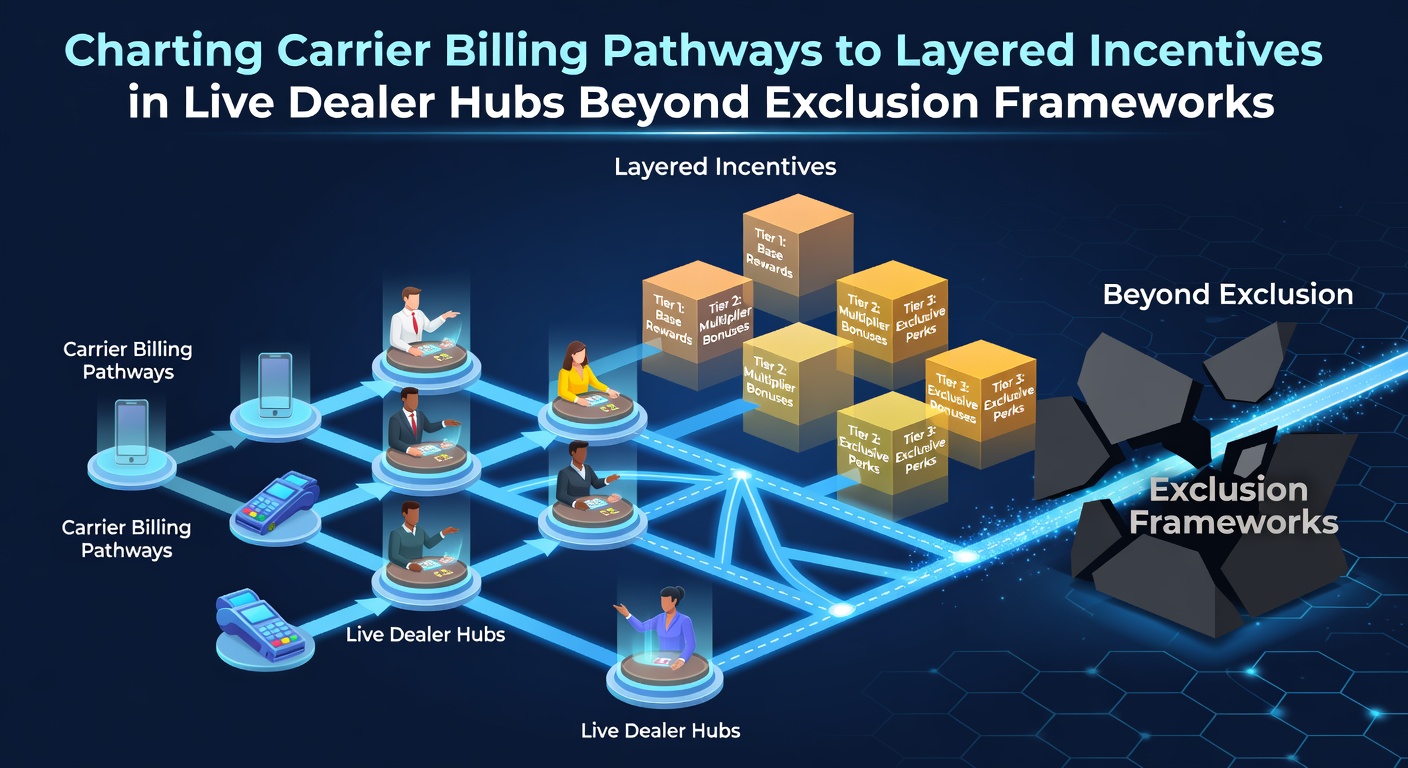
Charting Carrier Billing Pathways to Layered Incentives in Live Dealer Hubs Beyond Exclusion Frameworks
Experts observe that carrier billing mechanisms continue to expand access routes for players seeking live dealer experiences while connecting directly to multi-tiered reward structures, and these pathways operate outside conventional exclusion lists in several jurisdictions. Data from mobile payment analytics shows carrier billing accounted for an increasing share of deposits on interactive platforms throughout early 2026, with live dealer segments recording notable uptake in regions where regulatory frameworks permit such integrations. The process begins when users select carrier billing at the deposit stage on participating hubs, which routes charges through established mobile network operators and credits gaming balances instantly without traditional banking intermediaries. Observers note that this method reduces friction for immediate entry into live table environments featuring real-time blackjack, roulette, and baccarat streams, and the seamless flow supports subsequent engagement with incentive layers such as deposit-matched rewards that scale across multiple sessions.Mechanics of Carrier Billing Integration
Platform operators design these systems to authenticate via SMS confirmation codes that verify both the transaction and user eligibility for ongoing promotions, while data indicates average processing times remain under thirty seconds across major networks. Researchers have documented how these confirmations feed into backend tracking tools that monitor play patterns and automatically unlock successive incentive tiers, including cashback percentages applied specifically to live dealer wagers or free spin allocations triggered after threshold volumes on table games.
Figures reveal that in May 2026 several live dealer hubs reported carrier billing volumes rising by double-digit percentages compared with the prior quarter, coinciding with expanded partnerships between operators and telecommunications providers in markets across North America and parts of Asia. This growth aligns with broader trends in digital wallet alternatives, yet carrier billing distinguishes itself by bypassing stored-value accounts entirely and embedding directly into monthly mobile statements.
Layered Incentive Structures in Live Environments
Live dealer platforms utilize carrier billing data to construct progressive reward ladders that activate upon qualifying deposits and accumulate across game categories. One documented approach involves initial deposit matches that convert into table-specific chips usable only in live dealer rooms, followed by secondary layers such as loyalty points redeemable for additional rounds or enhanced payout multipliers that apply exclusively during peak streaming hours.
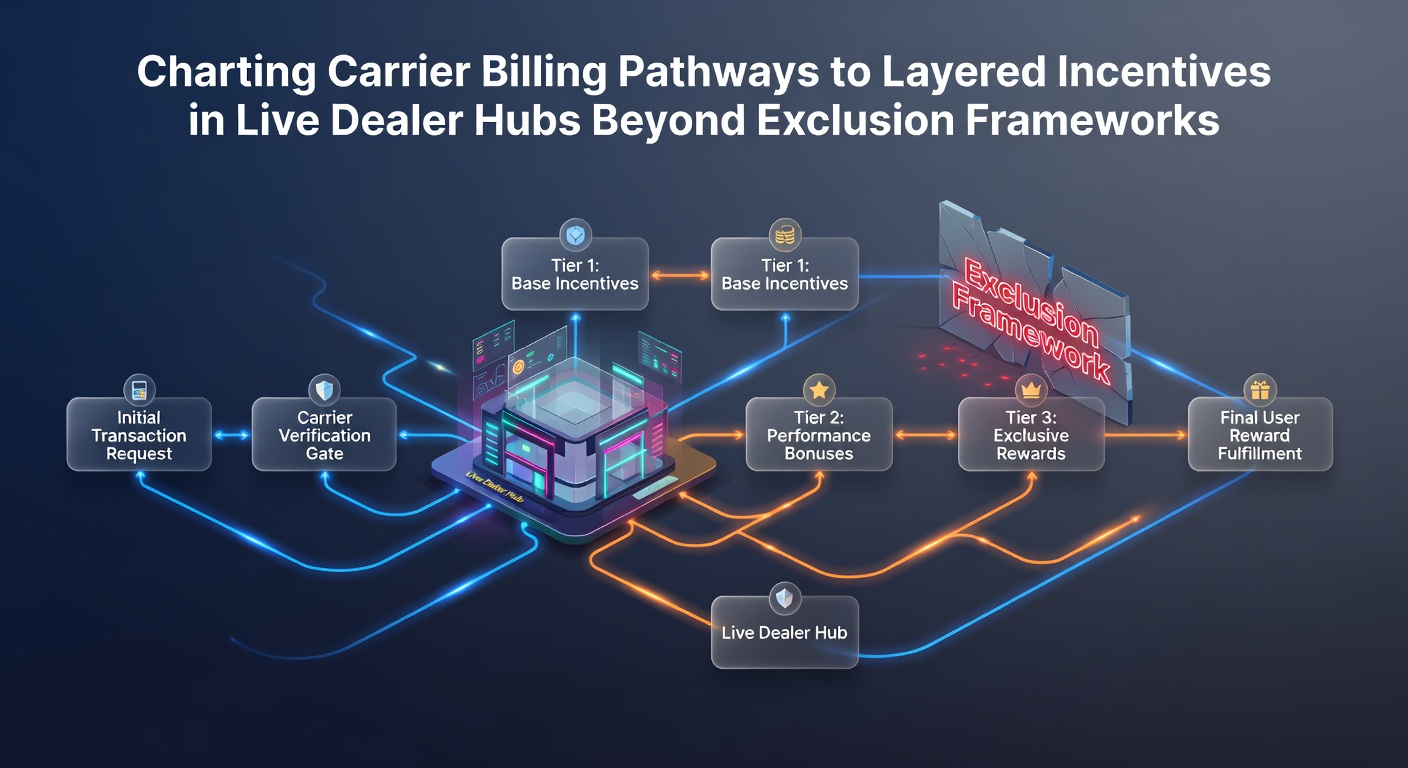
Studies from industry research groups highlight how these structures encourage sustained participation by staggering releases of benefits, for instance granting a base cashback rate after the first week of activity that increases upon reaching cumulative live wager milestones. According to findings published by the Canadian Gaming Association, platforms employing such tiered systems observed higher retention metrics among users who initiated sessions via carrier billing compared with other deposit methods in comparable periods.
Positioning Beyond Standard Exclusion Mechanisms
Many hubs operating with carrier billing pathways maintain independent registration protocols that do not interface with centralized exclusion databases, allowing continued access for individuals outside those frameworks. This separation stems from technical and jurisdictional choices where platforms prioritize direct carrier verification over aggregated self-exclusion lists, and analysts point to corresponding increases in live dealer traffic on such sites during the first half of 2026.
What's interesting here involves the way operators calibrate incentive eligibility to carrier transaction histories rather than broader account histories, which creates distinct user journeys focused on mobile billing continuity. Reports from the Australian Communications and Media Authority on digital payment adoption in entertainment sectors indicate similar patterns where billing simplicity correlates with expanded use of interactive features like dealer-hosted tournaments and real-time bonus rounds.
Emerging Patterns in Mid-2026 Operations
By May 2026, several operators had introduced carrier-linked incentive bundles that combine live dealer entry with slot progressions, such as converting a portion of phone-billed deposits into hybrid rewards redeemable across both environments. These bundles often feature time-bound multipliers that apply during live sessions while carrying over residual value into subsequent mobile play, and tracking data shows measurable upticks in cross-category engagement following implementation.
Observers note that security protocols tied to carrier billing, including network-level fraud detection and transaction limits, provide additional safeguards that support incentive distribution without compromising operational compliance in permitted regions. This setup enables platforms to maintain fluid access while layering rewards in ways that respond dynamically to individual deposit behaviors.
Conclusion
Carrier billing pathways continue to map onto layered incentive models within live dealer hubs that function independently of exclusion frameworks, and available data underscores their role in facilitating immediate, mobile-driven participation. As payment integrations evolve through 2026, researchers expect further refinements in how transaction records inform reward scaling across real-time table environments and associated promotional structures.