Carrier Billing Systems Fueling Live Poker and Roulette Access at Independent Platforms
Kai Richter · Jul 3, 2026
Carrier Billing Systems Fueling Live Poker and Roulette Access at Independent Platforms
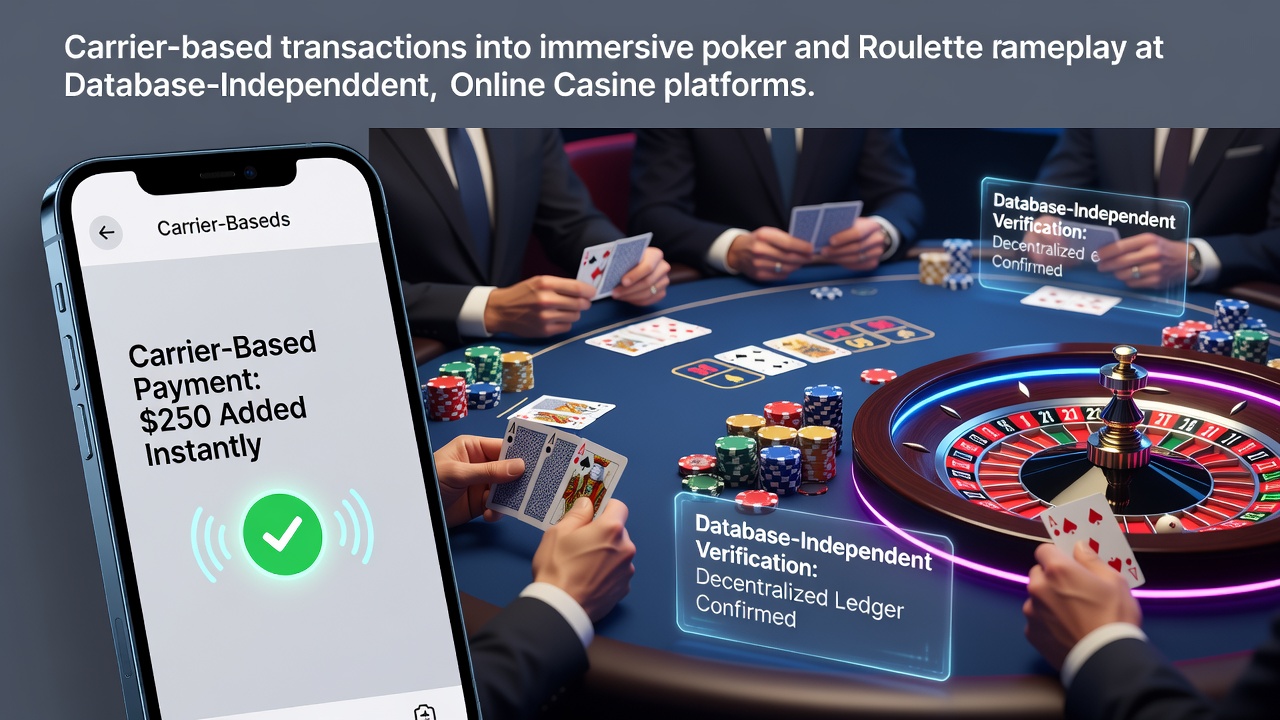
Carrier-based transactions operate through mobile network operators that process deposits via SMS confirmations or dedicated apps, charging amounts directly to phone bills while bypassing traditional bank verifications at platforms outside centralized exclusion databases, and this setup enables players to reach live dealer environments quickly since funds appear in accounts within seconds rather than hours. Observers note that such methods rely on established telecom infrastructure which already handles millions of microtransactions daily, creating a reliable bridge between user devices and gaming servers without requiring additional account linkages.
Mechanics Behind Carrier Payments in Gaming Contexts
Users initiate a deposit by selecting the carrier option at checkout, entering their mobile number, and confirming via a text reply or app notification, after which the operator deducts the sum from the next bill cycle and forwards it to the platform operator through secure APIs. Data from industry reports indicates these transfers maintain encryption standards comparable to those used in banking apps, and they function across major networks in regions where regulations permit such integrations. Researchers have documented that transaction limits often align with carrier policies, typically capping daily amounts to prevent overspending while still supporting extended sessions at poker tables or roulette wheels.
Platforms independent of self-exclusion databases integrate these payment channels directly into their interfaces, allowing registration and funding to occur in a single flow that avoids cross-referencing with national lists. This independence stems from operators choosing jurisdictions without mandatory linkage requirements, resulting in environments where players access immersive features like real-time video feeds and chat functions without prior identity hurdles tied to banking details.
Support for Immersive Poker Experiences
Live poker rooms benefit from carrier billing because deposits land fast enough to join ongoing tables during peak hours, where multiple hands unfold in sequence and strategy adjustments happen on the fly. Participants who rely on phone-based funding often maintain continuous play since replenishing stacks requires only another quick confirmation rather than navigating external processors. Studies from gaming analytics firms show that average session lengths extend when payment friction decreases, particularly in variants such as Texas Hold'em or Omaha where pot sizes fluctuate rapidly and timely rebuys matter.
Software providers have optimized these sites with responsive designs that detect carrier networks automatically, streamlining the process further for users on mobile connections. As of July 2026, adoption metrics reflect growing integration between telecom billing modules and poker platforms operating beyond database constraints, driven by demand for uninterrupted table access across different time zones.
Roulette Play Enhanced by Instant Funding Options
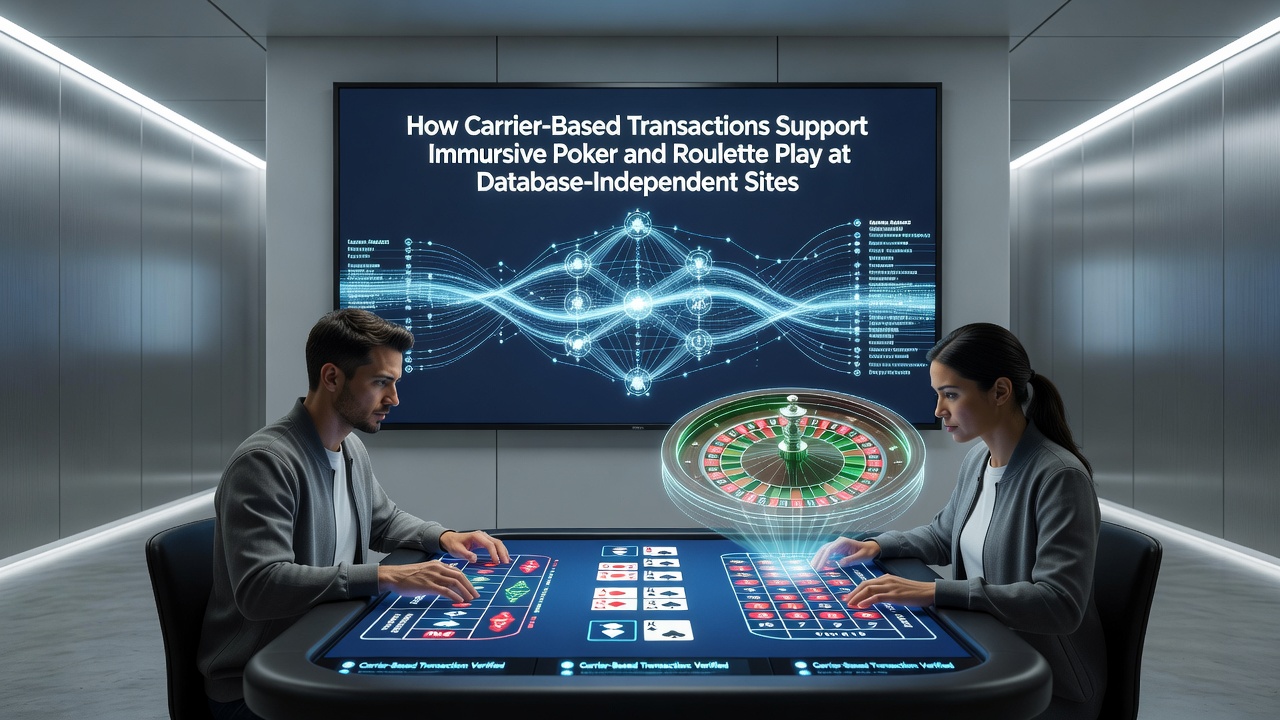
Roulette wheels spin continuously in dealer-hosted rooms, and carrier transactions keep balances topped up so participants can place bets across inside and outside positions without exiting the interface. The method supports both European and American variants by handling variable stake levels that range from minimum table requirements to higher progressive wagers. Evidence from transaction volume analyses reveals spikes in carrier usage during evening hours when live sessions attract larger audiences seeking extended wheel rotations and multiplier bonuses.
Independent sites leverage these payments to offer features like side bets and customizable table views that demand steady funding availability, and the absence of database cross-checks means entry happens without delays associated with verification protocols. Observers point out that this combination creates fluid experiences where players switch between poker and roulette streams on the same account funded through a single carrier channel.
Technical and Regulatory Considerations
Security protocols embedded in carrier systems include two-factor elements via SMS codes alongside account PINs, reducing exposure compared to stored card details at some alternative processors. Regulatory frameworks in select markets outside the UK permit these arrangements when operators meet local licensing standards for financial handling, which differ from stricter database mandates elsewhere. Industry organizations such as the American Gaming Association track payment method trends, noting carrier billing growth in digital entertainment sectors that parallel gaming applications.
Network compatibility extends to major carriers in Europe and North America, where APIs connect gaming platforms to billing engines without exposing user financial histories beyond the telecom relationship. This structure supports scalability during high-traffic periods, such as tournament qualifiers that blend poker formats with roulette side events.
Broader Adoption Patterns and Future Developments
Market data compiled through 2026 highlights increased carrier transaction shares at platforms positioned independently of exclusion systems, correlating with expansions in live dealer technology that demand reliable funding pipelines. Academic examinations from institutions like the University of Nevada, Reno have explored how payment speed influences engagement metrics in simulated casino environments, finding direct links between deposit immediacy and time spent at interactive tables. Platforms continue refining these integrations with carrier partners to accommodate emerging features such as augmented reality overlays on roulette layouts or multi-table poker interfaces.
Global comparisons show variations by region, with some Canadian provinces and Australian states reporting similar patterns in mobile billing usage for entertainment services that mirror gaming access models. These trends suggest sustained relevance for carrier methods as live streaming quality improves and player bases diversify across devices.
Conclusion
Carrier-based transactions provide a streamlined pathway for funding accounts at database-independent sites, directly enabling sustained participation in live poker and roulette through rapid processing and minimal setup requirements. Technical compatibility with existing telecom networks ensures consistent performance, while regulatory allowances in various jurisdictions support ongoing implementation. Continued monitoring of adoption rates and infrastructure enhancements will determine how these systems evolve alongside advancements in immersive dealer technologies.